Welcome to the Atacama Desert in Chile, Where Cacti Are More Than Trendy Houseplants
Author: Zack Repko
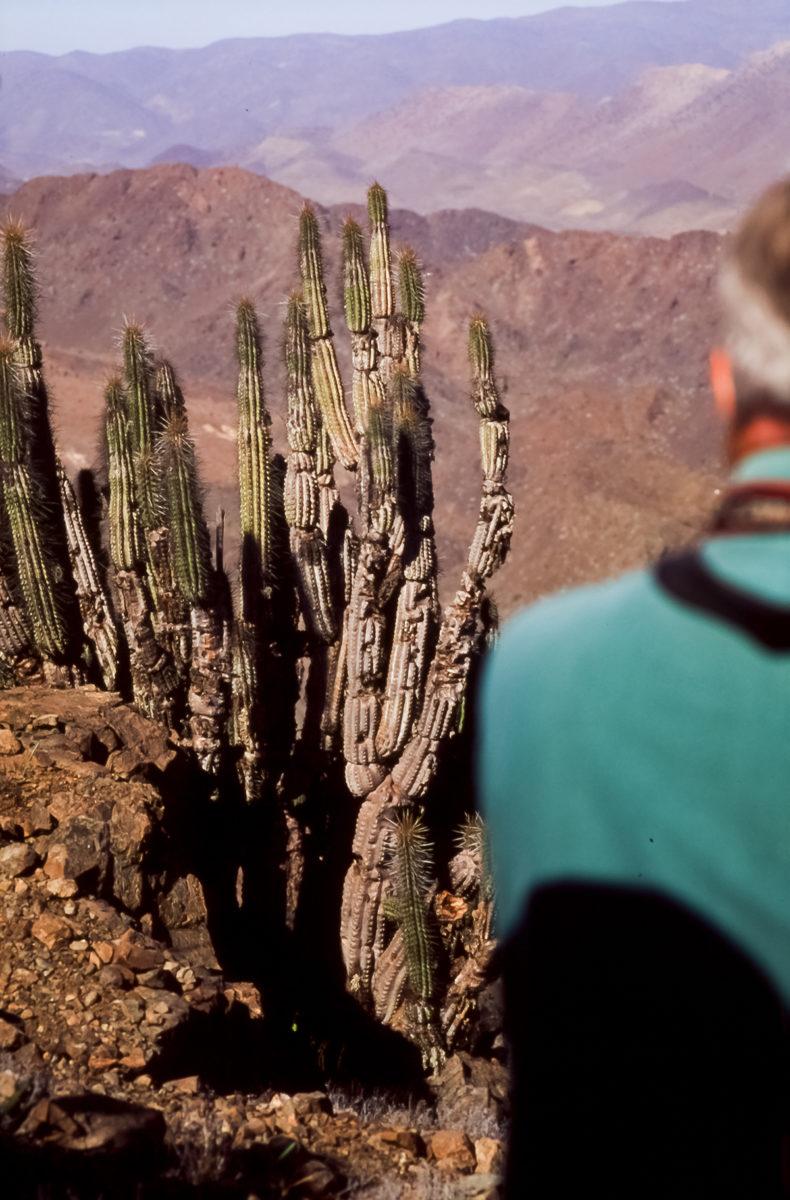
Lead image: Summit of Mt. Perales, one of the most diverse and borderline lush habitats visited on the trip. The fog that rolled in and out, twice daily, was so heavy the temperature would drop significantly.
The Atacama Desert, which spans 600 miles on South America’s Pacific coast, is one of the driest places on Earth. Fascinated by cacti and their ability to survive virtually without water, New York-based photographer Zack Repko traveled to Chile to live in the desert for two weeks alongside some of the world’s most tenacious plants.
My interest in cacti began with an outdoorsy predilection and Google searches. I made eBay purchases and stumbled into succulent communities in New York; I learned Latin taxonomies; I joined the Cactus and Succulent Society of America. Soon, I was teaching others about plant care, hoping to convey the complexities of cacti beyond their zeitgeist-y value as Millennial-approved décor. My desire to study these plants eventually led me to Chile to see their habitats firsthand, under the tutelage of seasoned horticulturalists Woody Minnich and Kelly Griffin.
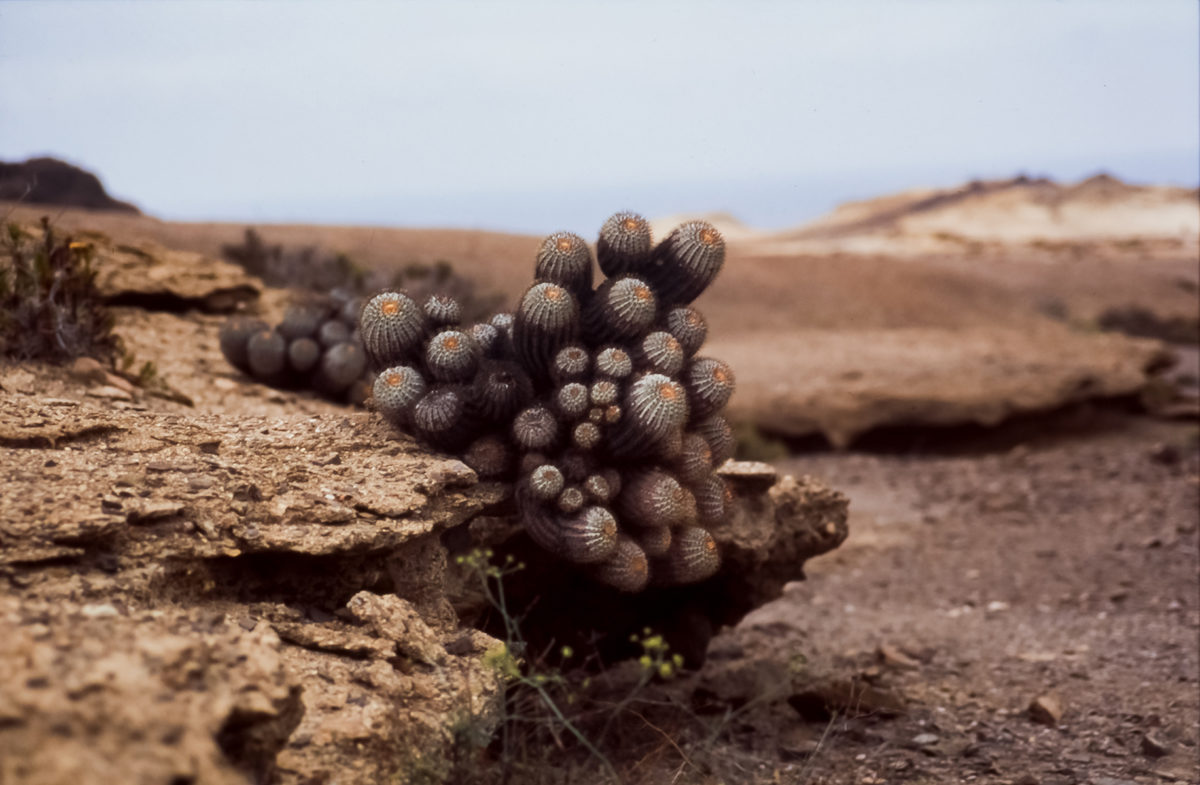
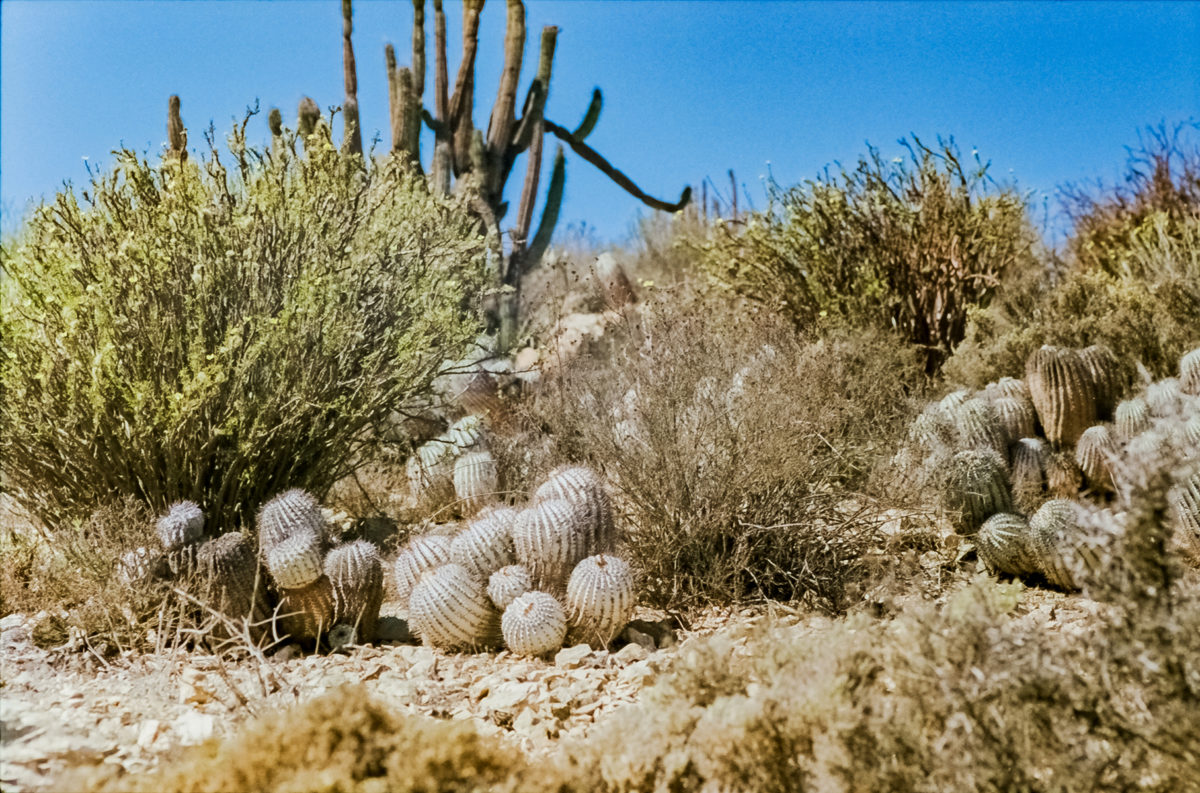
The Atacama Desert perplexes, defies, and surprises; this austere place is one of the richest cacti ecosystems on Earth. The landscape is clay red and stark, dotted with sage-green, auburn-spined plants. Over two weeks, we trekked through Pan de Azúcar National Park and camped on the beach, watching the camanchaca—cloud banks—roll in. We slept on beds of moss and lichen. We drove through the canyons of the Guanillos Valley, where the dramatic contrast between thimble-sized Copiapoa laui and cathedral-like Eulychnia saint-pieana demonstrated the desert’s diversity. The breadth of succulent life there astounded me, each plant a physical manifestation of the struggle and perseverance required for survival. Some were hundreds of years old, existing on the precipice of life and death, in quiet defiance of extinction. Even in the desert, life prevails.